Excessive sweating (hyperhidrosis): causes and treatments
By Dr. Leana Quintanilla de Sánchez, dermatologist · Published · Updated
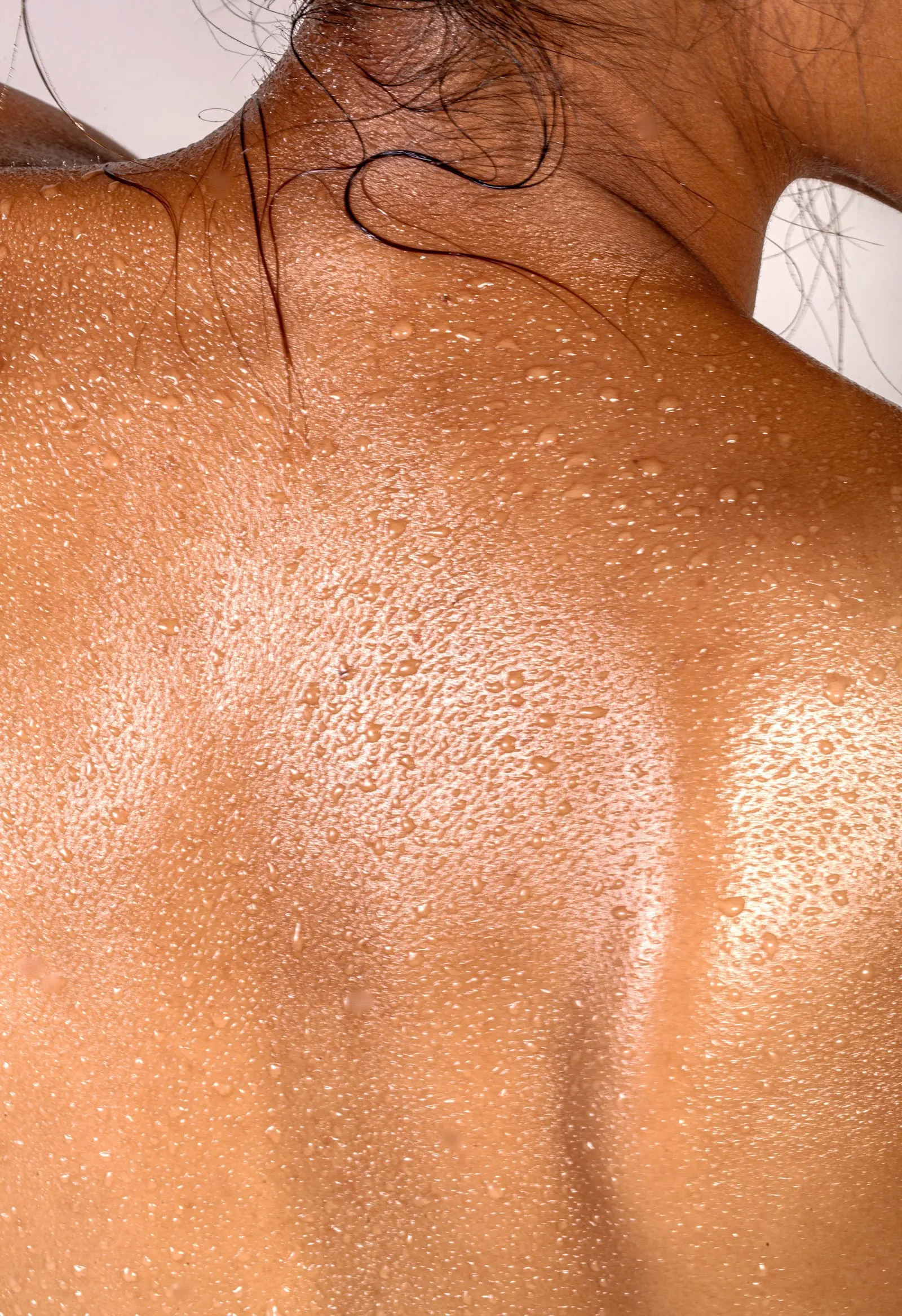
Sweating is normal. Heat, physical activity or nerves stimulate sweating, which helps the body regulate its temperature. We have between 2 and 4 million sweat glands.
But some people sweat much more than their body needs, without any trigger and unpredictably, mainly from the underarms, hands or feet. This condition is called hyperhidrosis. It affects both men and women, who may sweat even in cool surroundings or when they are calm.
Much more than sweat
Hyperhidrosis is not just a physical problem. Many people feel embarrassed to shake hands, avoid certain clothes or social situations, and live with stress or anxiety because of it. That is why it deserves a consultation.
Types and causes
Primary (focal) hyperhidrosis
It affects specific areas — underarms, hands, feet or face — and usually starts in childhood or adolescence. In most cases no other illness causing it is found, and other family members often have it too.
Secondary hyperhidrosis
It is caused by another condition or a medicine. It can affect the whole body or one area. Some causes are thyroid disorders, menopause, problems controlling blood sugar, heart disease, spinal cord injuries and some medicines. If the sweating appears suddenly in adulthood, affects the whole body or happens at night, it is important to find the cause.
How is it diagnosed?
Before recommending a treatment, it is best to find out what is causing the sweating. Depending on the case, blood tests may be ordered, such as a complete blood count, glucose, insulin, liver and kidney function tests, and thyroid hormones.
Treatments
- Medical antiperspirants: stronger products than everyday ones, prescribed by the dermatologist.
- Oral medicines: in some cases, to reduce sweating.
- Botulinum toxin (Botox): temporarily blocks the signal that activates the sweat glands in the treated area. It is applied with several small injections in the affected area, and anesthesia can be used for greater comfort. Its effect lasts several months, depending on the patient. See Botox.
- Surgery: reserved for very severe cases that do not respond to other treatments, because of the risks involved.
If the hyperhidrosis is secondary, the main thing is to treat the cause.
Frequently asked questions
Can hyperhidrosis be cured?
Primary hyperhidrosis is controlled with treatment; secondary hyperhidrosis can improve when the cause is treated.
Is Botox for sweating safe?
Applied by an experienced doctor, it is a safe and effective treatment. Its effect is temporary and it can be repeated.
Can children have hyperhidrosis?
Yes. Primary hyperhidrosis usually starts in childhood or adolescence. It is best to see the dermatologist.
Does sweating affect your daily life? Book a consultation with Dr. Leana Quintanilla.
This article is for information only and does not replace a medical consultation.