Pediatric dermatology
Pediatric dermatology: skin care for babies, children and teenagers
Children's skin is more delicate and reacts differently from adult skin. We diagnose and treat their skin, hair and nail problems, with clear explanations for the family.
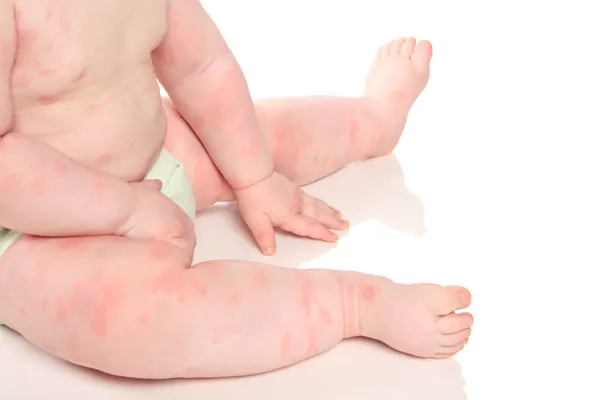
Common skin problems in children
Babies
- Diaper rash
- Cradle cap (infant seborrheic dermatitis)
- Newborn acne
- Hemangiomas and birthmarks
Children
- Atopic dermatitis (eczema)
- Molluscum contagiosum
- Warts
- Fungal infections of the skin and scalp (ringworm) — read about fungal skin infections
- Impetigo and other skin infections
- Lice and scabies
- Contact dermatitis
- Vitiligo
- Psoriasis
- Patchy hair loss (alopecia areata)
Teenagers
- Acne — see acne
- Excessive sweating
- Moles that change
Read more in the article: The most common skin conditions in children.
When should you take your child to the dermatologist?
- If a rash or itching does not improve within a few days or keeps them from sleeping.
- If the lesions spread, ooze or have yellow crusts.
- If new spots, lumps or moles appear and grow.
- If a hemangioma grows quickly, is near the eyes, nose, mouth or diaper area, or gets injured.
- If they are losing hair or have bald patches.
- If acne leaves marks or affects them emotionally.
What the consultation is like
Dr. Quintanilla examines your child calmly and explains to the family what they have, what treatment they need and how to apply it at home. We give practical advice about bathing, clothing, soap and moisturizing, because daily care is part of the treatment.
Frequently asked questions
From what age do you see children?
We see children from newborns to teenagers.
Does atopic dermatitis go away with age?
In many children it improves over the years. In the meantime, it can be controlled very well with daily moisturizing and the recommended treatment.
Does molluscum contagiosum go away on its own?
It can go away on its own over time, but it spreads to other parts of the body and to other children. The dermatologist will tell you whether it should be treated.
Do hemangiomas need treatment?
Many shrink on their own over the years, but some need treatment depending on their size and location. It is important to have them assessed early.