Aesthetic dermatology
Botox (botulinum toxin) for expression lines
Softens the wrinkles that form when you make facial expressions, with a natural result. Applied by the dermatologist after assessing your face.
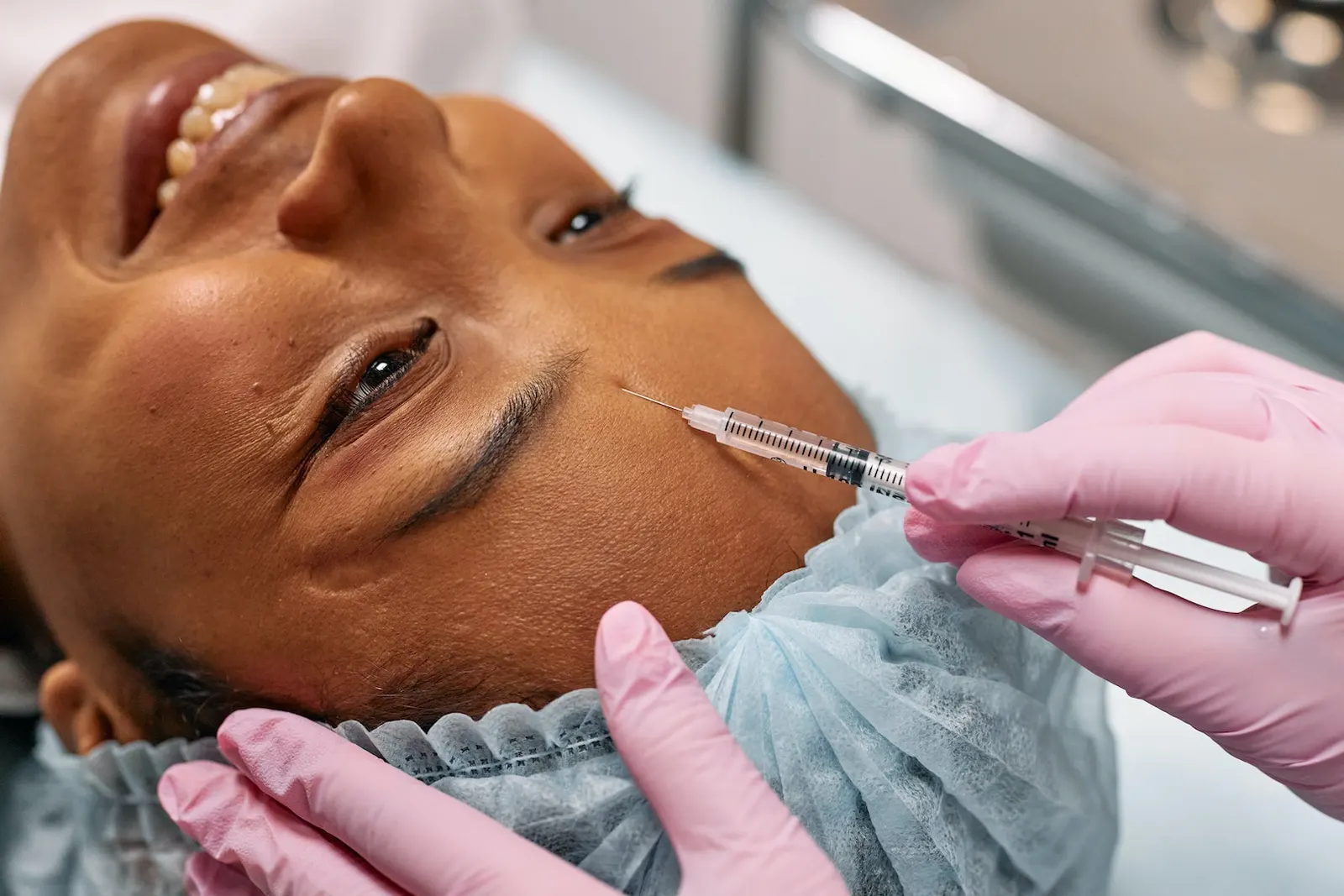
What is Botox?
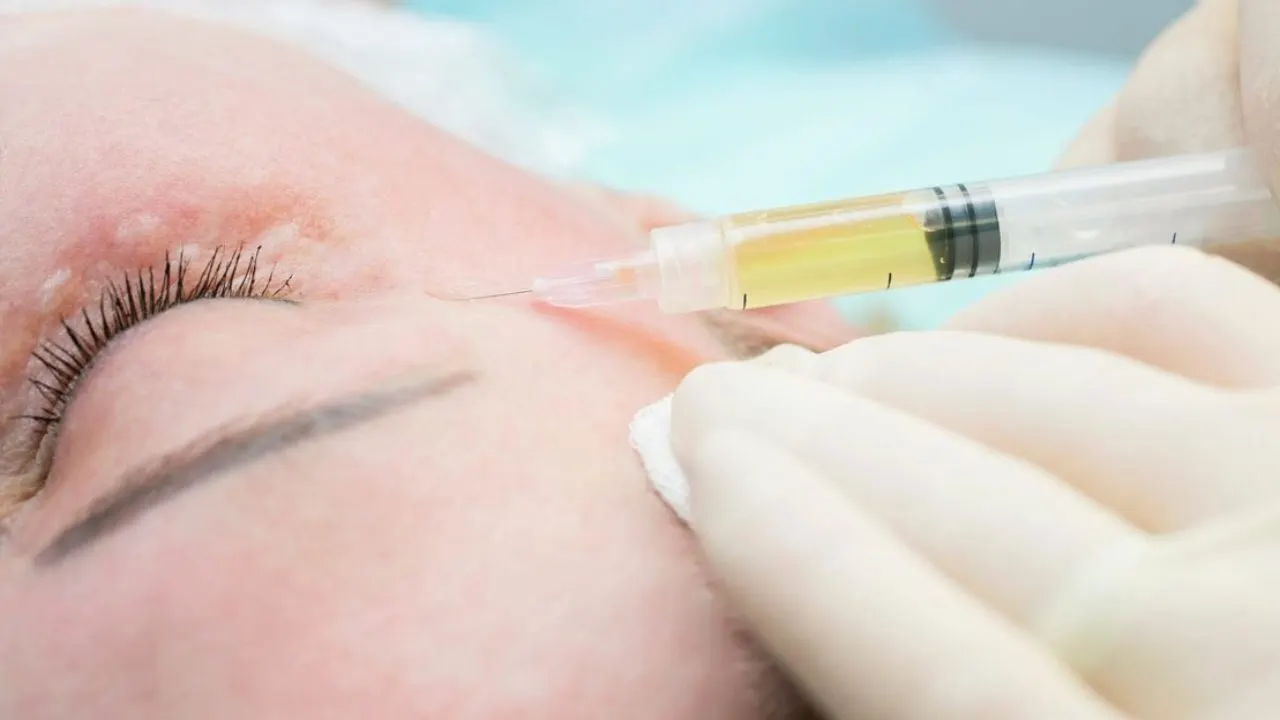
Botulinum toxin, known as Botox, is a medicine applied with small injections into specific facial muscles. It temporarily relaxes those muscles and so softens the wrinkles that show when you make facial expressions, called expression lines.
What is it used for?
The most commonly treated areas are:
- Horizontal forehead lines
- Frown lines between the eyebrows
- Crow's feet, at the sides of the eyes
Depending on the assessment, it can also be used in other areas of the face and neck.
Excessive sweating (hyperhidrosis)
Botulinum toxin is also used to reduce excessive sweating of the underarms, hands or feet. Before applying it, the dermatologist checks whether the sweating could have another cause. Read more about excessive sweating.
What is the procedure like?
- Assessment: the doctor reviews your expression lines, your health history and what you expect from the treatment.
- Application: small injections are given with a very fine needle. The procedure takes only a few minutes.
- Instructions: you are told how to look after yourself in the first few hours.
The effect starts to show within a few days and is complete at around two weeks. It lasts 3 to 6 months on average, depending on the person and the area treated.
Possible side effects
There may be small red dots, mild swelling or bruising at the injection sites, which go away within a few days. Less often there may be a headache or a mild, temporary drooping of the eyelid or eyebrow. That is why it is important for it to be applied by an experienced doctor.
Who should not have it?
It is not recommended during pregnancy or breastfeeding, or for people with certain neuromuscular diseases or an allergy to its components. The doctor will review your case in the consultation.
Hyaluronic acid fillers
Besides botulinum toxin, the clinic applies hyaluronic acid fillers to treat folds or loss of volume in the face, based on the dermatologist's assessment.
Hyaluronic acid is a substance found naturally in the skin. As a filler, it is injected into specific areas to soften folds (for example, those running from the nose to the corners of the mouth), improve contours or add volume naturally. Its effect is temporary and lasts several months, depending on the area and the product. Afterwards there may be mild swelling or bruising for a few days.
Frequently asked questions
Does Botox hurt?
The discomfort is mild and brief. A very fine needle is used.
How long does the effect last?
3 to 6 months on average. After that, the muscles gradually regain their movement.
Will my face look "frozen"?
The goal is to soften wrinkles while keeping a natural expression. The dose and injection points are tailored to each face.
What is the difference between Botox and fillers?
Botox relaxes the muscles that cause expression lines. Hyaluronic acid fillers fill folds or restore volume. They are often combined.
Can I go back to my activities the same day?
Yes. Just follow the instructions for the first few hours, such as not lying down or doing intense exercise.