Aesthetic dermatology
Laser and intense pulsed light (IPL) for dark spots and redness
Light and laser treatments that improve sun spots, redness, visible blood vessels and skin texture. The dermatologist chooses the right device for your skin.
“Pulsed light treatment must be applied by professionals. Don't take risks.” — Dr. Leana Quintanilla
What is intense pulsed light?
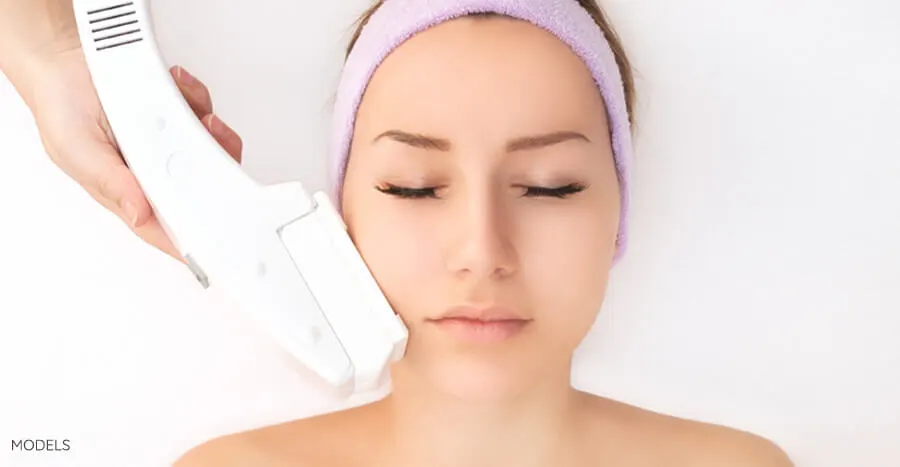
Intense pulsed light (IPL) is a treatment that sends flashes of light onto the skin. That light is absorbed by the pigment in dark spots and by small blood vessels, which gradually fade or shrink. It is not a laser, although many people call it one.
What is it used for?
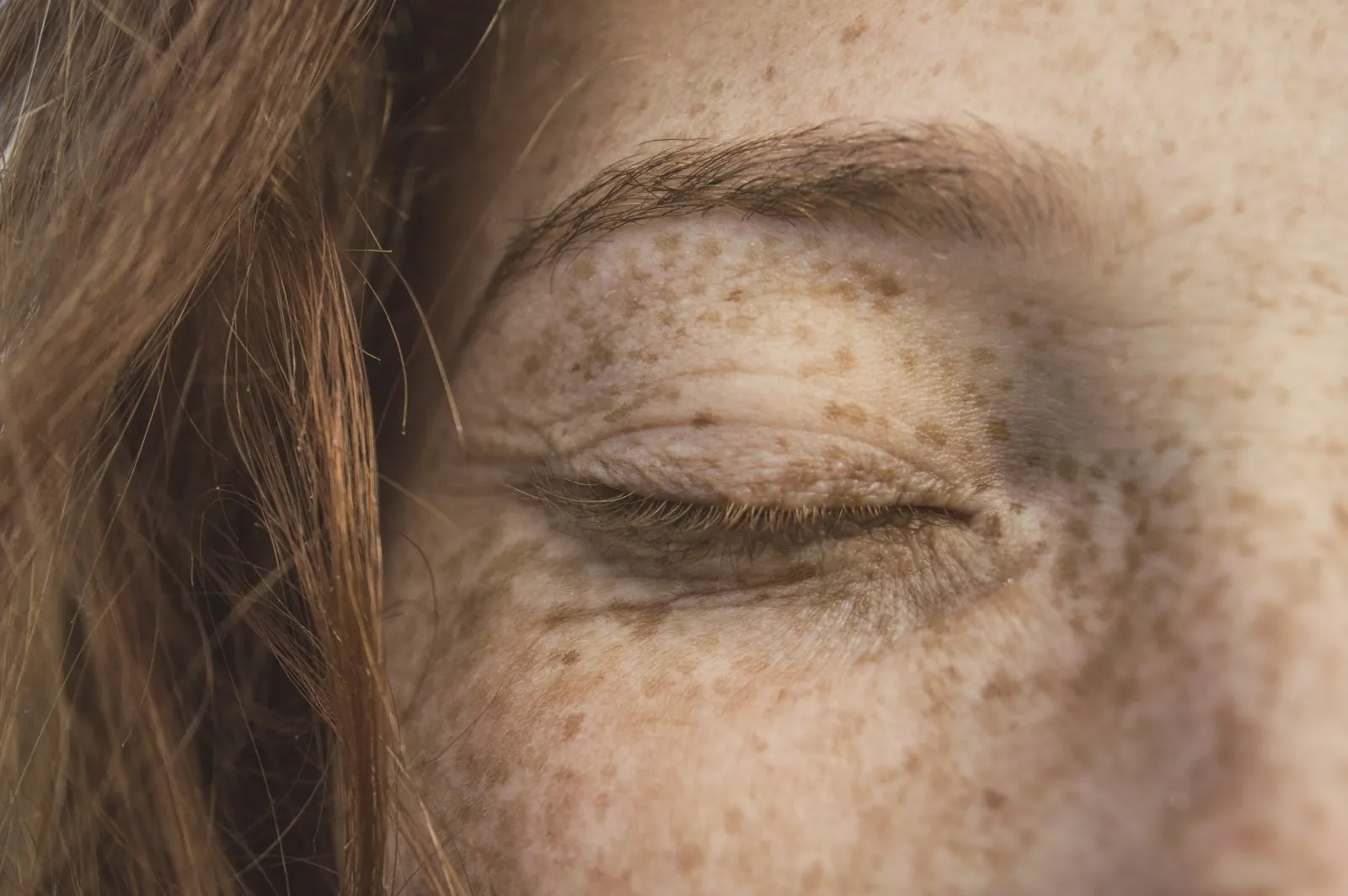
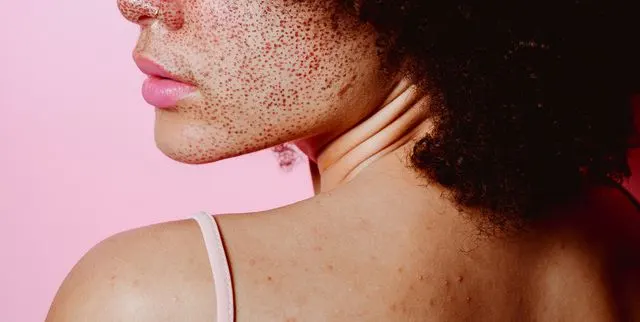
- Sun spots and "age spots"
- Facial redness and rosacea — see rosacea
- Visible small blood vessels (telangiectasias) on the face
- Improving the overall tone and texture of the skin
The most commonly treated areas are the face, neck, chest and the backs of the hands.
Laser
Besides pulsed light, the clinic has laser technology. Unlike IPL, a laser emits a single type of highly concentrated light, which makes it possible to treat specific problems more precisely. Depending on the assessment, the dermatologist may recommend it for:
- Dark spots and pigmented lesions
- Uneven skin texture and pores
- As a complement in the treatment of some scars
Dr. Quintanilla decides whether laser, IPL or a combination with other treatments is best, based on your skin type and what you want to improve.
Who is a good candidate?
IPL works best on light or medium skin. On darker or tanned skin, or skin that tends to develop dark spots, the risk of burns or marks is higher, so the dermatologist assesses your skin type before recommending it. It is not applied to freshly tanned skin.
What is the treatment like?
- Skin assessment and an explanation of the treatment.
- Application: your eyes are protected and a cold gel is applied. It feels like a small snap or warmth on the skin.
- Afterwards: the skin may look pink and slightly swollen for 1 or 2 days. Dark spots may darken and flake off over the course of a week.
Several sessions are usually needed, a few weeks apart. The number depends on what is being treated.
Aftercare
- Avoid the sun and use sunscreen every day, before and after the treatment.
- Do not tan in the weeks beforehand.
- Follow the dermatologist's instructions if you use exfoliating creams or medicines that make you sensitive to the sun.
Frequently asked questions
What is the difference between laser and IPL?
IPL uses light of several wavelengths that treats several problems at once, such as dark spots and redness. A laser uses a single concentrated light for a more specific target. The dermatologist will tell you which is better for your case.
Does it hurt?
It feels like a brief snap or warmth. Most patients tolerate it well.
How many sessions will I need?
It depends on the dark spots or redness being treated. The doctor will tell you at the assessment.
Can I go back to work afterwards?
Yes, in most cases. There may be mild redness for a day or two.