Hair
Platelet-rich plasma (PRP) for hair loss
A treatment using plasma from your own blood that can help with some types of hair loss and thinning. It is recommended after the cause has been diagnosed.
Diagnosis first
PRP is not a treatment for every type of hair loss. Before recommending it, Dr. Quintanilla assesses the cause: hereditary alopecia, hair loss due to stress or deficiencies, alopecia areata or other scalp conditions. Learn how hair loss is assessed.
What is PRP for hair?
It is a portion of your own blood with a high concentration of platelets, which contain growth factors. Applied to the scalp, it aims to stimulate the hair follicles to improve hair thickness and reduce shedding.
When can it help?
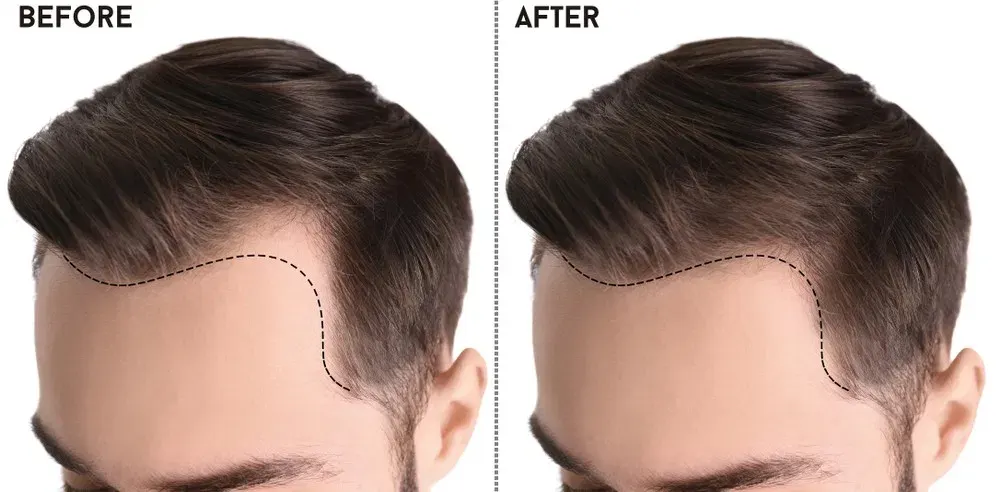
It is used mainly for androgenetic alopecia (hereditary hair loss, in men and women), especially in its early stages, when the hair is thinning but the follicles are still active. It is usually recommended alongside medical treatment, not instead of it.
It does not grow hair in areas where the follicles have already been lost. In those cases, a hair transplant may be considered.
What is the procedure like?
- Blood draw from the arm.
- Preparation of the plasma in a centrifuge.
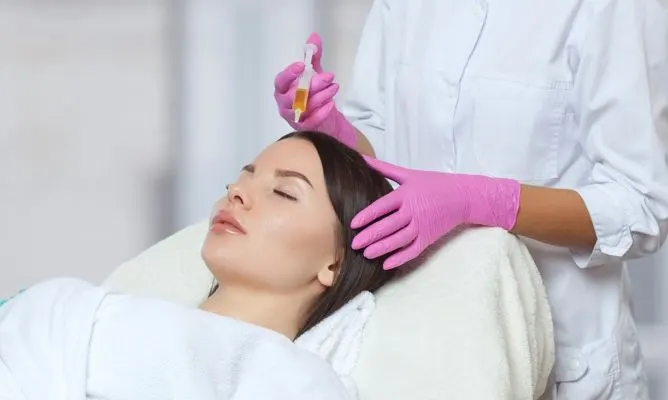
- Application with micro-injections into the areas of the scalp with less density.
It takes about 30 to 45 minutes. There may be mild discomfort during the application and tenderness or redness of the scalp for 1 or 2 days.
Number of sessions and results
The number and frequency of sessions are decided in the consultation based on your diagnosis. The response varies from person to person; changes, when they occur, are assessed after several months of treatment.
Frequently asked questions
Does PRP work for everyone?
No. It works best for some types of hair loss, such as early-stage androgenetic alopecia. That is why the diagnosis comes first.
Is it painful?
You feel mild discomfort from the micro-injections. There are ways to reduce it.
Can I wash my hair afterwards?
The doctor will tell you when you can wash it, usually from the next day.
Does it replace medicines?
No. In most cases it is combined with medical treatment prescribed by the dermatologist.