Moles: when should you worry?
By Dr. Leana Quintanilla de Sánchez, dermatologist · Published
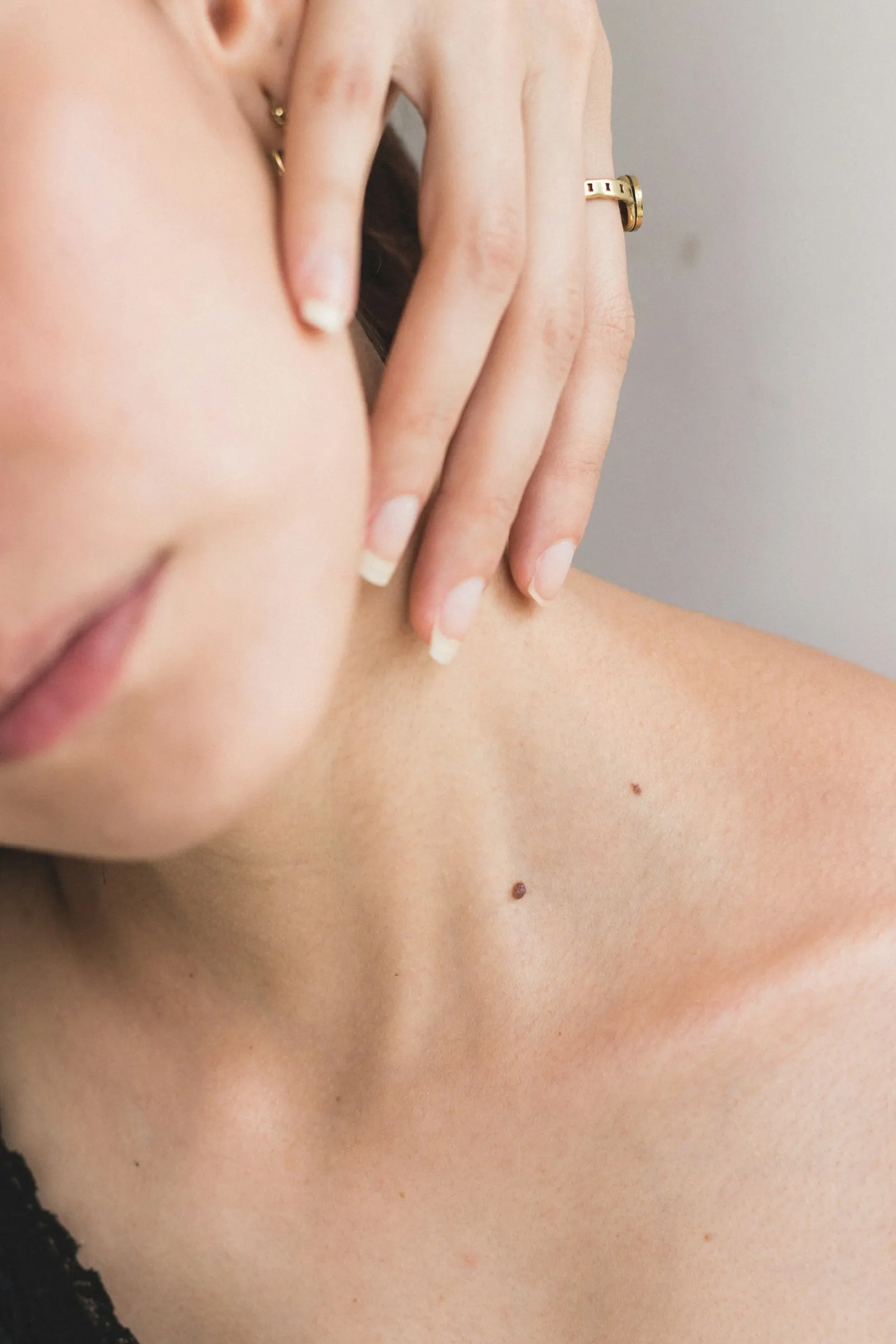
Moles come in many types and colors: brown, black, red or skin-colored. Some are present from birth and others appear in the first weeks of life or during childhood. All of that is normal.
It is also normal for a mole to grow as a child grows: it gets bigger along with the skin and is not a cause for concern.
New moles in adulthood
There is an important difference between moles that appear in childhood and adolescence and those that appear in adulthood. A new mole after age 18, or a mole that changes, should be checked by a dermatologist.
Warning signs
See a dermatologist if a mole:
- Changes shape: for example, it was round and is becoming elongated, or its edges are becoming irregular.
- Changes size or grows outward (becomes raised).
- Changes color: it was brown and is turning gray or black, or has several shades.
- Bleeds, itches or crusts over.
- Looks different from all your other moles.
These changes may be related to skin cancer, including melanoma. Learn the ABCDE signs of melanoma.
Other lesions to watch
- Moles or spots on the soles of the feet, the palms or under the nails. Melanomas in these areas are often found late because people don't check them, and they can be aggressive. Check them too.
- A "pimple" that never goes away, bleeds when rubbed or grows. It may be a basal cell or squamous cell carcinoma, the most common skin cancers.
- Lesions on the areas most exposed to the sun: face, neck, ears, lips and arms.
Who should be checked more often?
If skin cancer runs in your family, see a dermatologist at least once a year, even if you don't notice any changes. People with many moles, fair skin or a history of sunburns also need closer monitoring.
My advice
If in doubt, don't wait. A timely consultation can save a life.
Frequently asked questions
Is it normal to get new moles?
In childhood and adolescence, yes. In adulthood, a new mole should be checked by a dermatologist.
Is it normal for a mole to grow?
In children, moles grow along with the body and that is normal. In adults, a mole that grows or changes should be checked.
How often should I check my moles?
Check your skin once a month at home. If you have a family history of skin cancer, see a dermatologist at least once a year.
Has one of your moles changed? Book a mole check with Dr. Leana Quintanilla.
This article is for information only and does not replace a medical consultation.