Medical dermatology
Treatment for acne and acne scars
Acne is a skin condition that can be controlled. Treating it early is the best way to prevent dark marks and scars.
What is acne?
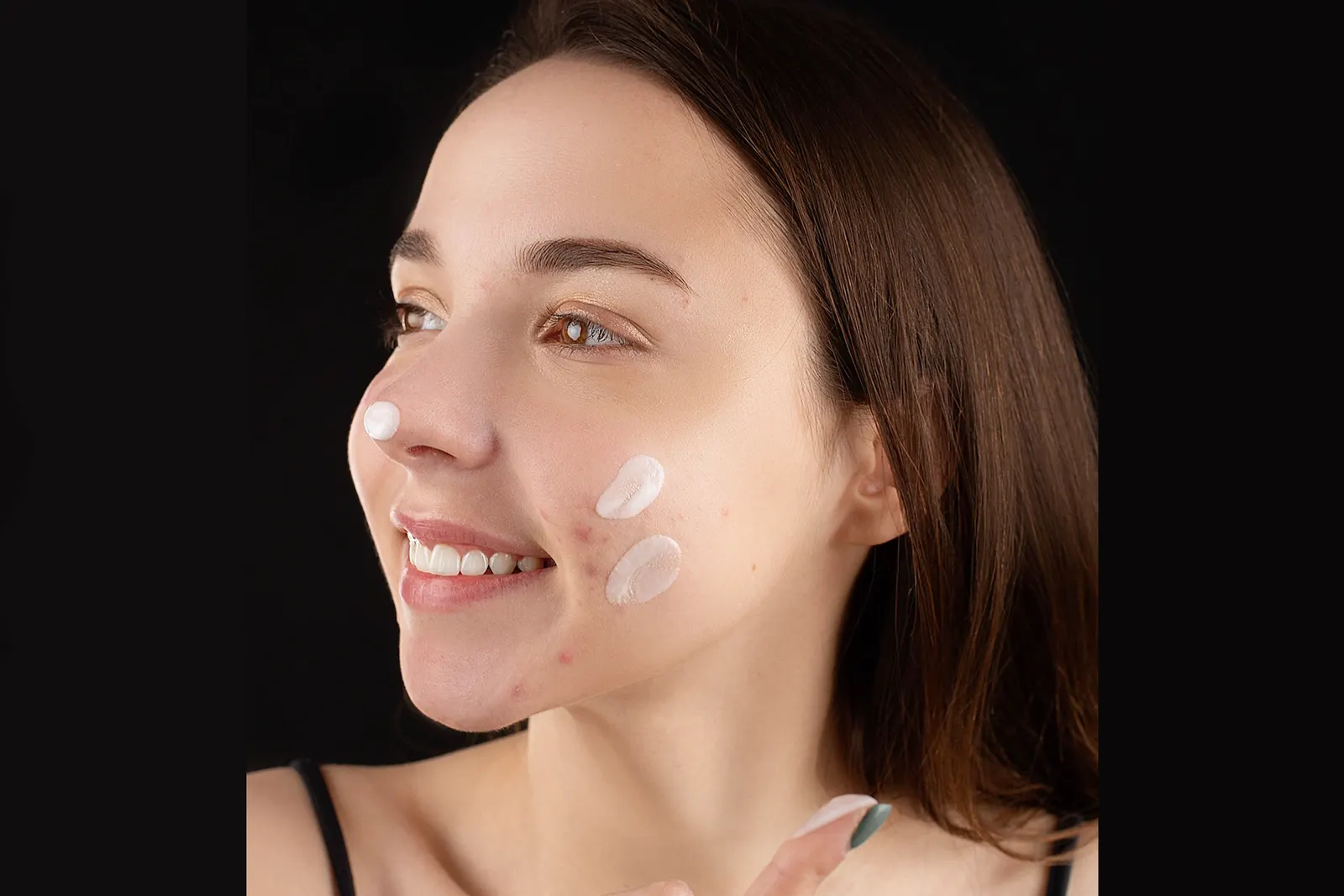
Acne appears when pores become clogged with oil and dead skin cells and then inflamed. It causes blackheads, whiteheads, pimples, pustules and, in more severe cases, painful nodules or cysts. It usually appears on the face, back and chest.
It is very common in adolescence, but it also affects adults, especially women, in whom it can be linked to hormonal changes. Some medicines, very oily cosmetics and picking at pimples can make it worse.
When should you see the dermatologist?
- If your acne does not improve after 2 or 3 months of over-the-counter products.
- If you get deep, painful pimples or cysts.
- If dark marks or scars are being left behind.
- If the acne started in adulthood or comes with other symptoms (irregular periods, excess hair).
- If acne affects you emotionally or in your daily life.
How we assess it
During the consultation, Dr. Quintanilla looks at the type of lesions, how severe they are, the areas affected and whether there are already scars. She also asks about the treatments you have used, your medicines, your skin care routine and, in women, your menstrual cycle. With that, she defines a treatment plan for your case.
Treatment options
Treatment is chosen according to the type of acne and may combine several options:
- Topical medicines: creams or gels that unclog pores and reduce inflammation.
- Oral medicines: depending on the case, antibiotics for a limited time, hormonal treatment in some women or isotretinoin for severe acne, with the medical monitoring it requires.
- Skin care routine: a cleanser, moisturizer and sunscreen suited to acne-prone skin. A good routine improves how well you tolerate the treatment and its results.
- Comedone extraction in the office: removal of blackheads and whiteheads under proper conditions, without damaging the skin.
- Chemical peels: a medical exfoliation that helps unclog pores and fade the dark marks acne leaves. See chemical peels.
Acne improves gradually. Most treatments take 6 to 12 weeks to show results, and follow-up visits are important to adjust the plan.
Acne scars and dark marks
Acne can leave two kinds of marks:
- Red or dark marks, which usually fade with treatment and sun protection.
- Depressed or raised scars, which are harder to treat.
Active acne is controlled first. Then the options to improve the marks are assessed, such as chemical peels and other procedures depending on the type of scar. Scars can improve, but they do not always disappear completely.
Frequently asked questions
Can acne be cured?
Acne can be controlled very well. In many people it goes away over time; in others it needs maintenance treatment.
How long does it take to see improvement?
Usually between 6 and 12 weeks after starting the recommended treatment.
Is it OK to pop pimples?
No. Squeezing them increases inflammation and the risk of dark marks and scars.
Does food cause acne?
In some people certain foods can make it worse, but they are not the main cause. The dermatologist will advise you based on your case.
Do you treat acne in teenagers?
Yes. We treat acne in teenagers and adults. See pediatric dermatology.