Medical dermatology
Dark spots and melasma: diagnosis and treatment
Not all dark spots are the same, and they are not all treated the same way. First we identify the type of spot; then we choose the right treatment for your skin.
Most common types of dark spots
Melasma
Brown or grayish, symmetrical patches on the cheeks, forehead, upper lip or chin. It is more common in women and is linked to sun, heat, hormones (pregnancy, birth control pills) and genetic predisposition. It is a chronic condition: it can be lightened and controlled, but it tends to come back if protection is not kept up.
Sun spots (lentigines)
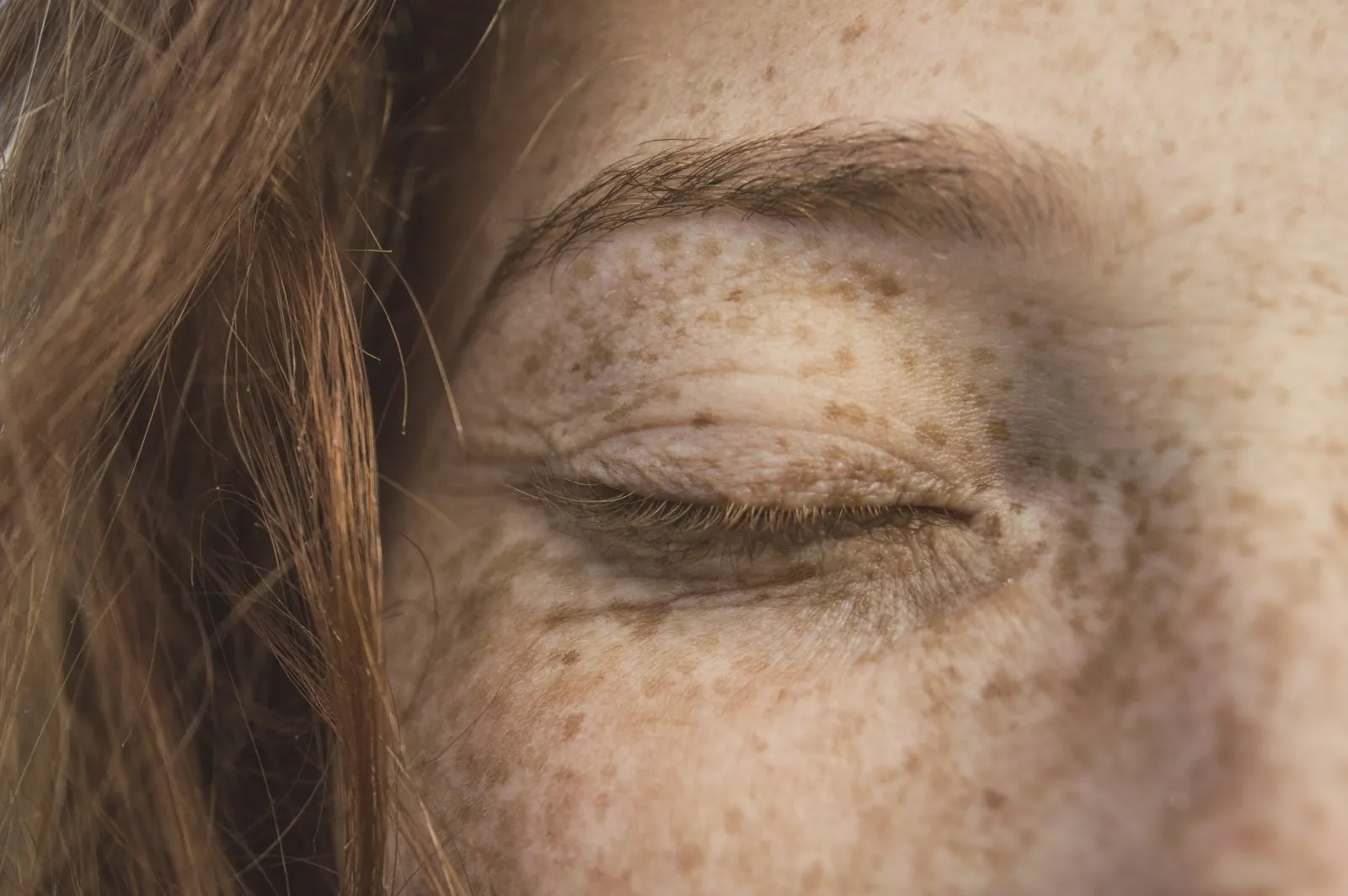
Flat, well-defined brown spots on sun-exposed areas: face, chest, hands and arms.
Marks left after inflammation
Dark marks left after acne, a burn, dermatitis or a procedure. They are more common on darker skin.
Other spots
Light patches (from a fungus, such as pityriasis versicolor, or from vitiligo), seborrheic keratoses and lesions that need to be distinguished from skin cancer.
What the assessment involves
Dr. Quintanilla examines the spots with the naked eye and with a dermatoscope, asks about your sun habits, cosmetics, medicines and hormonal changes, and confirms the diagnosis before recommending a treatment.
Treatment options
- Daily sun protection: the foundation of any treatment. Broad-spectrum SPF 50 sunscreen, preferably tinted (it also protects against visible light), reapplied during the day, plus a hat and shade.
- Lightening creams prescribed by the dermatologist, depending on the type of spot and how well your skin tolerates them.
- Chemical peels to speed up improvement. See chemical peels.
- Intense pulsed light (IPL) for sun spots on suitable skin. It is used with caution in melasma because it can make it worse. See IPL.
- Oral treatment in some cases of melasma, based on the medical assessment.
Frequently asked questions
Does melasma go away for good?
It can be lightened a lot, but it is a chronic condition that can come back with sun, heat or hormonal changes. That is why maintenance and sun protection are key.
Why do I get more dark spots in El Salvador?
The sun is strong all year round, and both sunlight and heat stimulate the skin's pigment. Daily protection is essential, even if you are not going to the beach.
Can I treat dark spots during pregnancy?
Some options cannot be used during pregnancy or breastfeeding. The dermatologist will tell you what is safe, starting with sun protection.
How long does it take to see improvement?
Usually several weeks or months, depending on the type of spot and the treatment.