Medical dermatology
Skin, hair and nail conditions
A general dermatology consultation covers any skin, hair or nail problem, in children and adults. First we find the cause; then we decide on the treatment.
When should you see a dermatologist?
- If you have a rash, itching or redness that does not improve.
- If a skin lesion changes, grows, bleeds or does not heal.
- If you are losing hair or notice changes in your nails.
- If you used creams on your own and the problem got worse or came back.
- If a skin problem affects your sleep, your work or your peace of mind.
Conditions we treat
Inflammatory and allergic
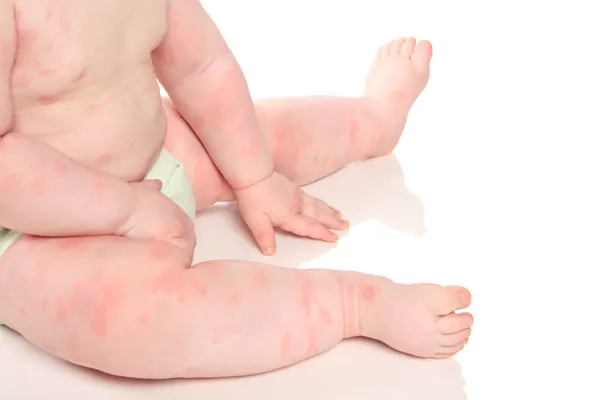
- Atopic dermatitis (eczema)
- Contact dermatitis and skin allergies — also read: parabens in cosmetics
- Seborrheic dermatitis (dandruff and flaking on the face or scalp)
- Psoriasis — read about psoriasis
- Urticaria (hives)
- Rosacea — see rosacea
- Acne — see acne
Skin infections
- Fungal infections of the skin, nails and feet (ringworm, athlete's foot) — read about fungal skin infections
- Pityriasis versicolor (light or dark patches caused by a fungus) — see fungal skin infections
- Warts
- Molluscum contagiosum
- Herpes simplex and shingles (herpes zoster)
- Bacterial infections, such as impetigo
- Scabies
- Sexually transmitted infections with skin symptoms
Pigmentation and dark spots
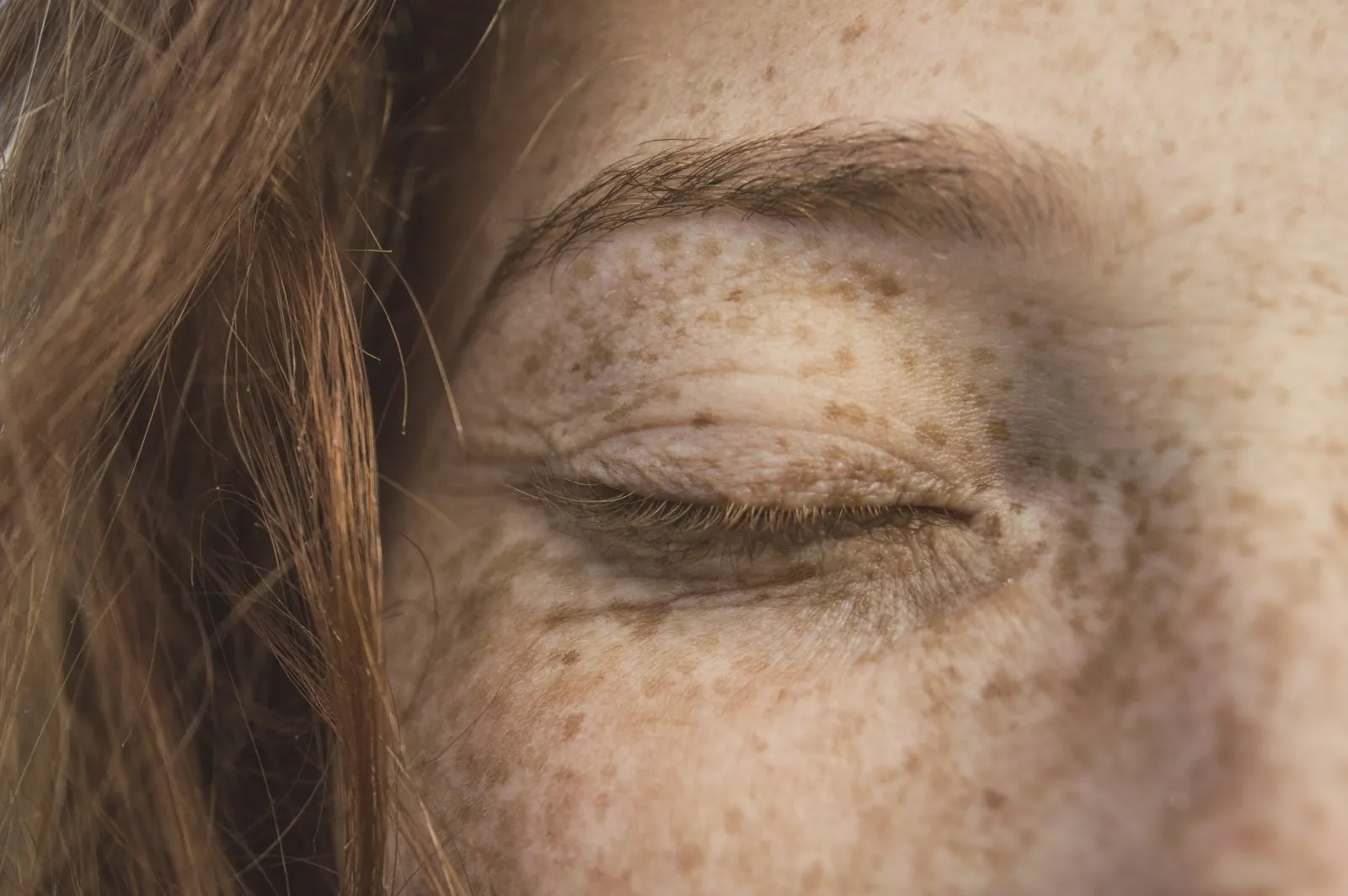
- Melasma and dark spots — see dark spots and melasma
- Vitiligo
Moles, lumps and skin growths
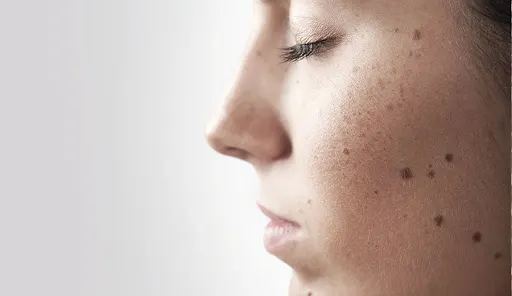
- Moles — see mole checks
- Cysts and lipomas
- Seborrheic keratoses and other benign growths
- Skin cancer — see skin cancer
Hair and nails
- Hair loss and alopecia — see hair loss
- Brittle, deformed or fungal nails
Other conditions
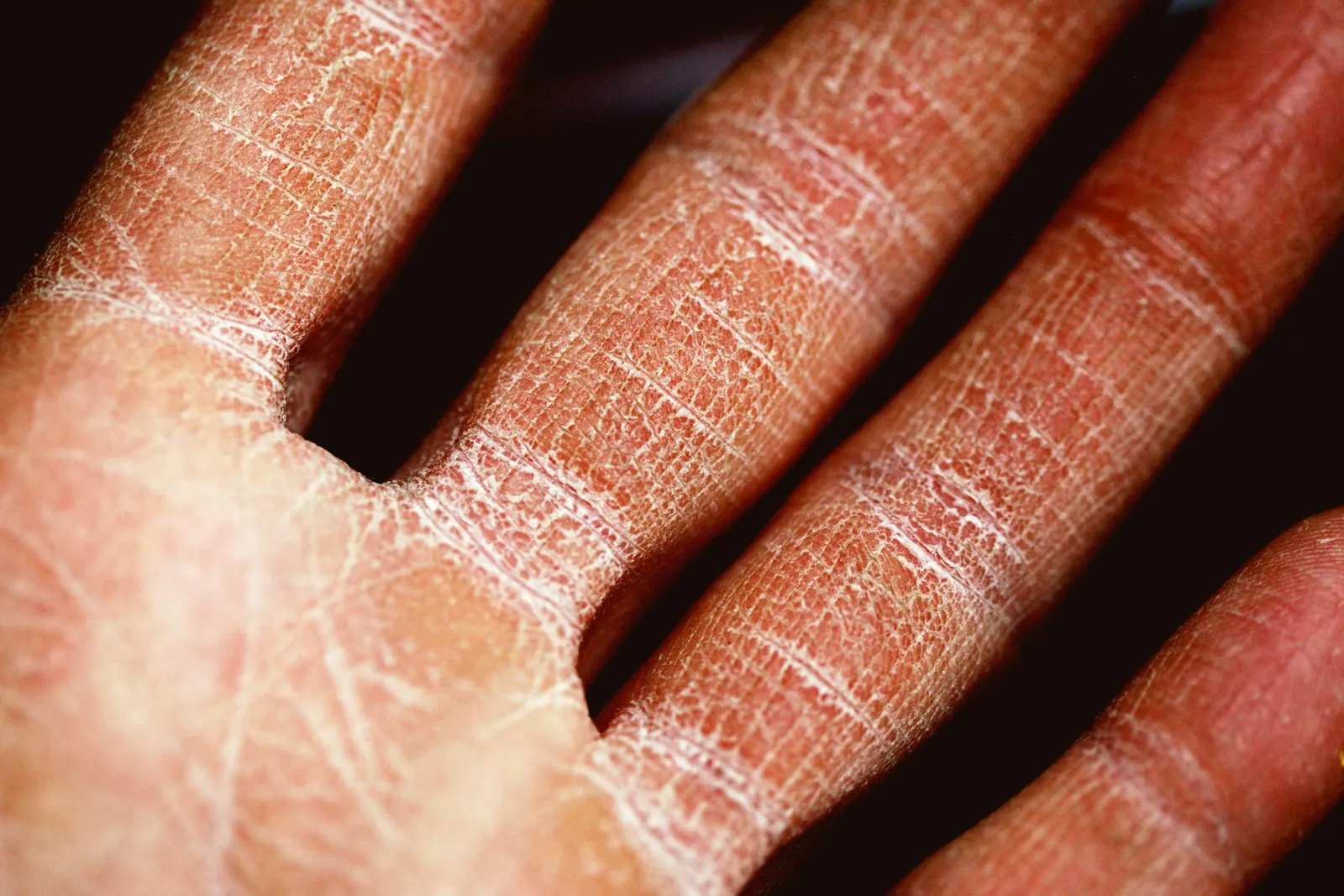
- Dry skin and keratosis pilaris ("chicken skin")
- Excessive sweating (hyperhidrosis)
- Autoimmune diseases with skin symptoms, such as lupus, morphea or dermatomyositis
- Blistering diseases
- Birthmarks and hemangiomas
- Genetic skin diseases
What the consultation is like
- Conversation: we ask how long you have had the problem, what makes it worse and what treatments you have used.
- Examination: the doctor examines the affected skin, hair or nails and may use a dermatoscope.
- Tests, if needed: blood tests, cultures or a skin biopsy to confirm the diagnosis.
- Treatment plan: we explain the diagnosis, the treatment, how long it takes to work and when to come back for a follow-up.
Frequently asked questions
Do you treat skin conditions in children?
Can psoriasis or atopic dermatitis be cured?
They are chronic conditions, but today they can be controlled very well with the right treatment and follow-up.
What should I bring to the consultation?
The medicines or creams you are using (or a photo of their labels), previous test results and, if the lesion changes over time, photos of how it looked before.
Do you do skin biopsies?
Yes. When needed, the biopsy is done at the clinic under local anesthesia.