Aesthetic dermatology
Chemical peels for dark spots, acne and skin texture
A medical exfoliation that renews the surface layer of the skin to improve dark spots, acne, pores and radiance. Chosen and applied by the dermatologist.
What is a chemical peel?
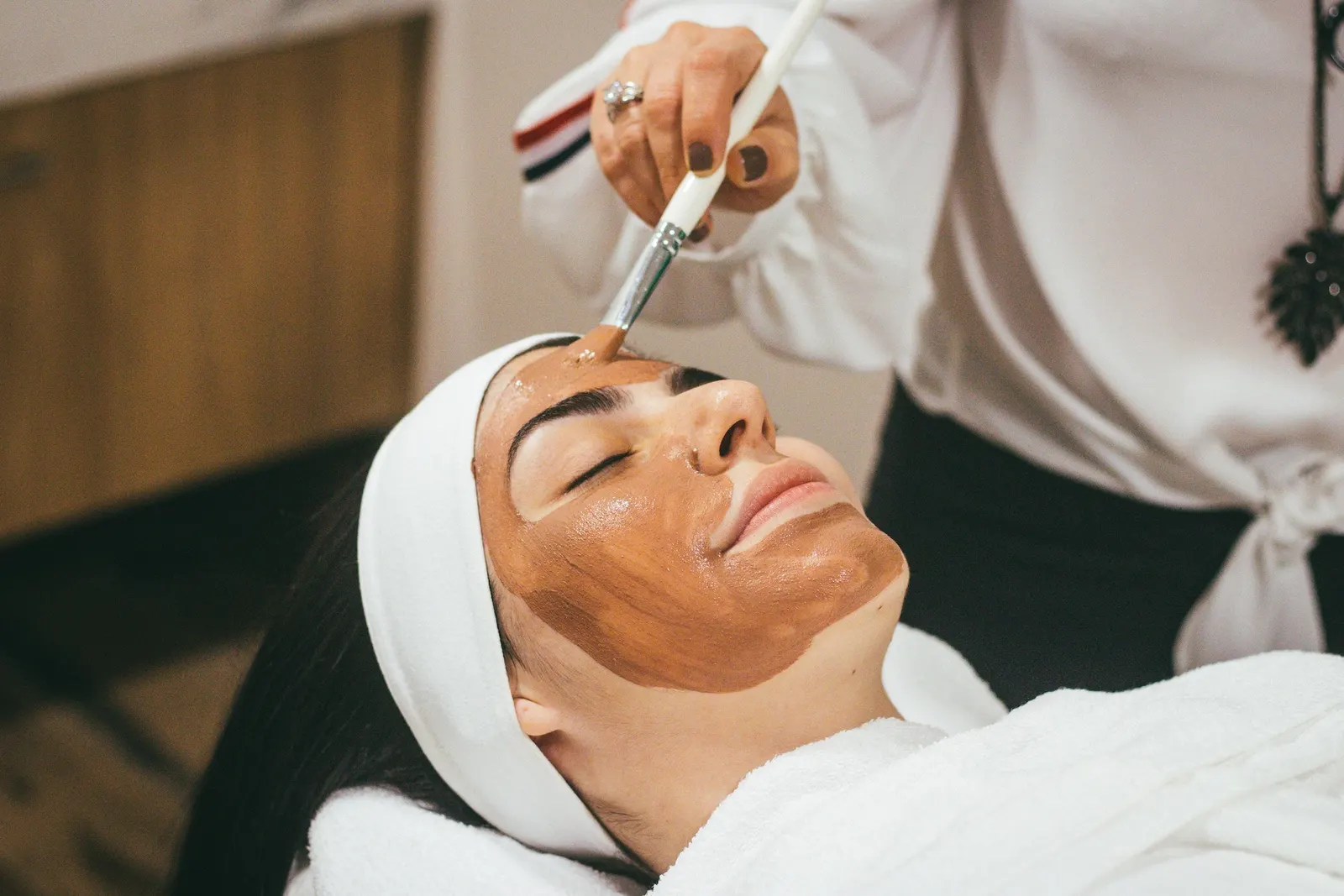
It is the application of a solution with acids or other active ingredients that exfoliate the surface layer of the skin in a controlled way. As it renews, the skin looks more even, smoother and more radiant. Some peels also stimulate collagen production.
What is it used for?
- Dark spots and uneven tone, including melasma — see dark spots and melasma
- Active acne and the marks acne leaves — see acne
- Enlarged pores and oily skin
- Dull skin or uneven texture
- Mild sun damage and fine lines
Types of peel
The dermatologist chooses the type and strength based on your skin and your goal:
- Superficial: exfoliate gently, with little or no visible peeling. They are usually done as a series of several sessions.
- Medium-depth: work deeper. They cause peeling for several days and require more aftercare.
The most commonly used ingredients include salicylic, glycolic, mandelic and trichloroacetic (TCA) acids, and combinations with retinoids or lightening agents.
What is the treatment like?
- Assessment: your skin type, your medicines and whether you tend to develop dark spots are reviewed. Sometimes you are asked to prepare your skin with creams for a few weeks beforehand.
- Application: the skin is cleansed and the peel is applied for a few minutes. You may feel a passing burning or stinging sensation.
- Afterwards: depending on the type, the skin may look pink, feel tight or peel for a few days.
Aftercare
- Use sunscreen every day and avoid direct sun.
- Do not pull off peeling skin.
- Use only the products the doctor recommends until your skin has recovered.
Frequently asked questions
How many sessions do I need?
It depends on the goal and the type of peel. Many superficial treatments are done as a series of several sessions a few weeks apart.
Does it work for every skin type?
There are peels for almost every skin type, but for darker skin or skin that tends to develop dark spots they are chosen more carefully. That is why the assessment beforehand is important.
Can I have one if I have acne?
Yes. Some peels are specifically recommended for acne.
Can I wear makeup afterwards?
It depends on the peel. The doctor will tell you when you can go back to your routine.