
Psoriasis: what it is, how it is treated and how to live with it
By Dr. Leana Quintanilla de Sánchez, dermatologist · Published
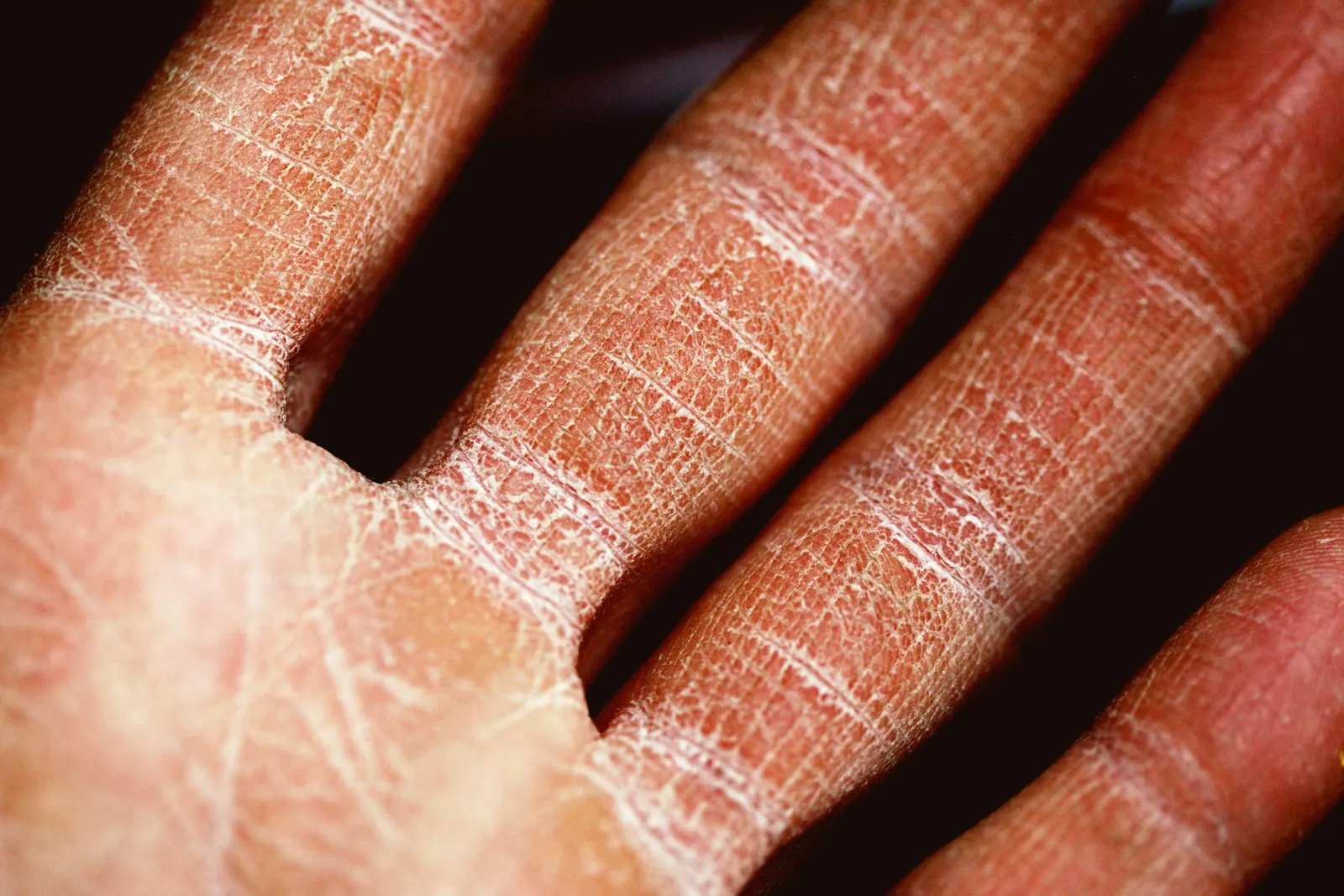
What is psoriasis?
It is a chronic condition that mainly affects the skin. It causes well-defined red plaques covered with thick white or silvery scales, which can itch or hurt. They appear mainly on the elbows, knees, lower back and scalp, where it is sometimes mistaken for dandruff. It can also affect the nails and, in some cases, almost all of the skin.
It affects about 2 to 3% of the world's population. It usually starts between adolescence and young adulthood, although it can appear at any age, including in children. In children it is sometimes mistaken for a fungal infection or an allergy.
It comes in flare-ups: there are periods when the lesions get worse and others when they improve or disappear, only to come back later.
Why does it appear?
It has several causes. The immune system and genetics are involved, so it can recur across several generations of a family. Other factors can trigger flare-ups or make them worse: stress, some infections, certain medicines, alcohol, smoking and being overweight.
Types of psoriasis
- Plaque psoriasis: the most common. Thick red plaques with silvery or white scales.
- Guttate psoriasis: small red or pink spots, often after a throat infection.
- Inverse psoriasis: redness in skin folds such as the armpits, groin, under the breasts and between overlapping skin. It has almost no scales.
- Pustular psoriasis: white pustules surrounded by red, irritated skin.
- Erythrodermic psoriasis: intense redness covering much of the body. It is rare and requires prompt medical attention.
More than skin: arthritis and general health
Psoriasis can come with psoriatic arthritis (joint pain, stiffness or swelling) in up to 2 or 3 out of every 10 patients. It is also linked to a higher risk of being overweight, diabetes, high cholesterol and high blood pressure (metabolic syndrome), and of cardiovascular disease. That is why people with psoriasis need, besides follow-up with the dermatologist, a regular general medical check-up that includes heart health.
Diagnosis
The diagnosis is mainly clinical: the dermatologist recognizes it by examining the skin, nails and scalp. If in doubt, it is confirmed with a skin biopsy. Confirming the diagnosis is important because it is a long-term condition and the treatment must be the right one.
Treatment
Treatment depends on the type of psoriasis, how widespread the lesions are and the patient's general health:
- Topical treatments: medicated creams, ointments, lotions and shampoos.
- Oral medicines that regulate the immune system, with lab monitoring.
- Phototherapy: treatment with ultraviolet light at times and doses controlled by the doctor.
- Biologic medicines for moderate or severe cases.
Sun exposure on your own as a treatment is not recommended: it should only be done with medical advice and supervision.
Daily care
- Maintain a healthy weight.
- Avoid alcohol and smoking.
- Manage stress and anxiety.
- Moisturize your skin every day.
- Don't scratch: scratching and rubbing can make new plaques appear.
- Keep up with your medical follow-up and cardiovascular check-ups.
The emotional side
Psoriasis is visible. Unlike other chronic conditions such as high blood pressure or diabetes, which no one notices at a glance, the plaques and scales can be seen. Many patients wear long sleeves even when it is hot, or feel uncomfortable when scales fall onto their clothes or desk.
That is why accepting the diagnosis is an important step: it is a chronic condition, with no permanent cure, but it can be controlled. Family support is essential and, when needed, so is support from a psychologist or a support group.
Psoriasis and sex life
Psoriasis does not prevent you from having sex and does not affect fertility. However, it can affect your sex life for other reasons:
- Lesions in intimate areas: psoriasis can appear in the groin and genitals and cause discomfort or pain. There is specific treatment for it; mention it in the consultation without embarrassment.
- Self-esteem and insecurity: fear of rejection or discomfort with your own skin can affect intimacy.
Communication with your partner is key. With the right treatment and support from your partner and family, your sex life can be completely normal.
In summary
With treatment, medical follow-up and support, people with psoriasis can lead a normal life. And those around them can help a lot with something simple: remembering that it is not contagious and being there for them.
Frequently asked questions
Is psoriasis contagious?
No. It is not spread by contact, by sharing clothes or through sex.
Can psoriasis be cured?
There is no permanent cure, but it can be controlled with treatment and flare-ups can become much less frequent.
Is psoriasis hereditary?
There can be a family predisposition, but not all children of a person with psoriasis develop it.
Does stress make psoriasis worse?
Yes. Stress is one of the most common triggers of flare-ups. Read more about stress and your skin.
Does psoriasis affect fertility?
No. The condition does not affect fertility, although some medicines need to be adjusted if you are planning a pregnancy.
Do you have plaques on your skin or think it might be psoriasis? Book a consultation with Dr. Leana Quintanilla. See the skin conditions we treat.
This article is for information only and does not replace a medical consultation.