Medical dermatology
Mole checks to catch melanoma early
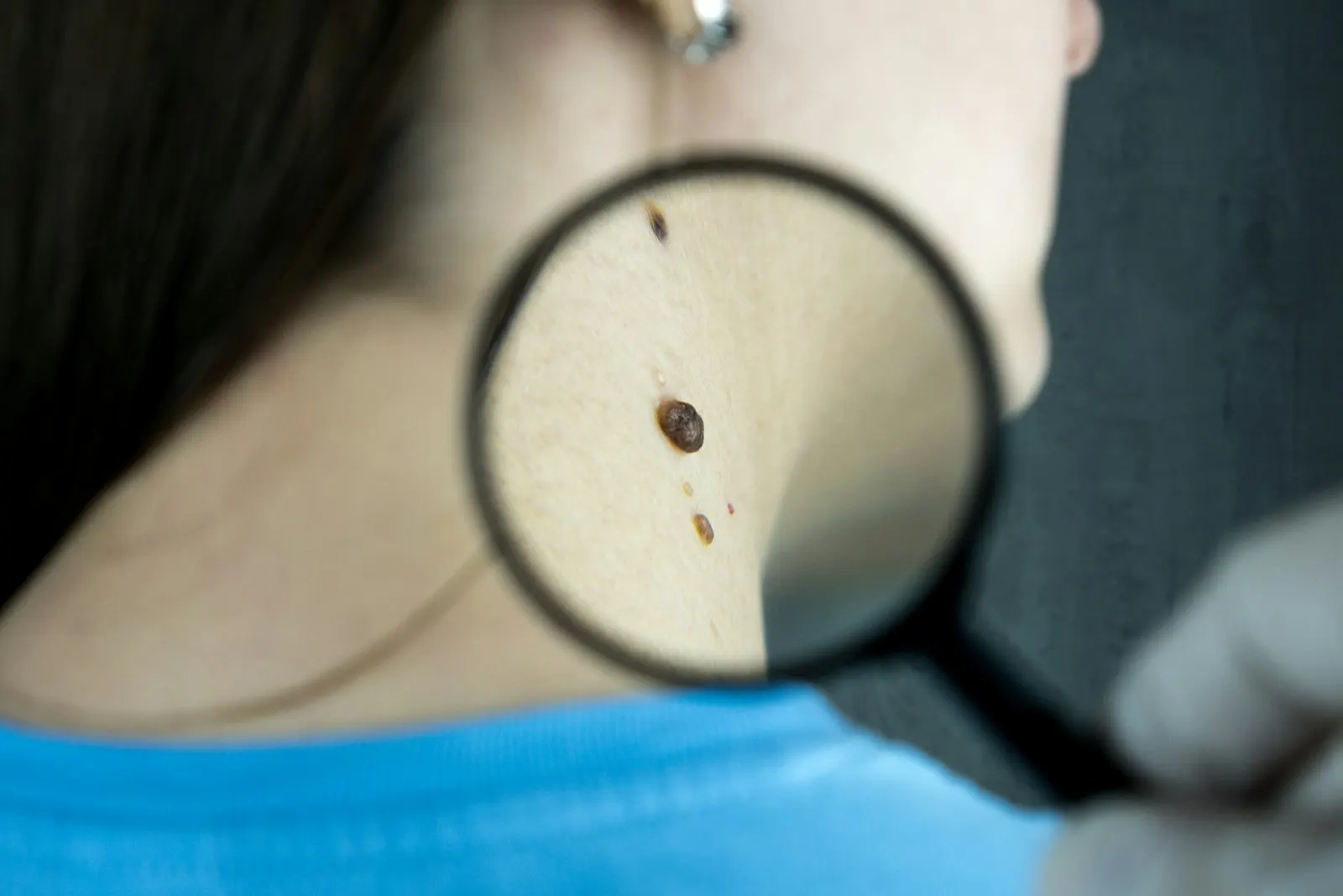
Most moles are harmless. But a new or changing mole should be checked: melanoma found early has a much better chance of being cured.
What is melanoma?
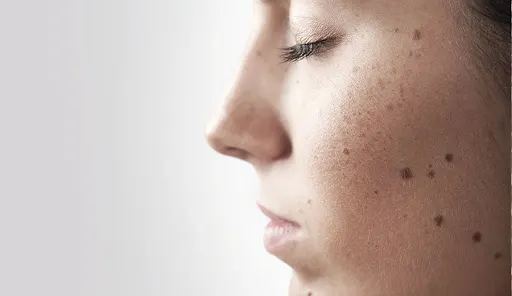
Melanoma is a cancer that starts in the cells that give the skin its color. It can appear in an existing mole or as a new spot. It is less common than other skin cancers, but it is the most dangerous because it can spread to other parts of the body. That is why it is so important to find it early.
The ABCDE signs of a suspicious mole
- A — Asymmetry: one half of the mole does not match the other.
- B — Border: irregular, blurred or jagged.
- C — Color: several colors or shades within the same mole (brown, black, red, white, blue).
- D — Diameter: larger than 6 mm (the size of a pencil eraser), although melanomas can also be smaller.
- E — Evolving: the mole changes in size, shape or color, or starts to itch, bleed or crust.
Also watch out for the "ugly duckling": a mole that looks different from all the others.
What the check involves
- Skin examination: the doctor examines the moles that worry you and, if she considers it necessary, all of your skin.
- Dermoscopy: with a dermatoscope, a lens with a special light, she looks at structures in the mole that cannot be seen with the naked eye.
- Biopsy, if needed: if a mole looks suspicious, it is removed under local anesthesia and sent to the pathology lab. It is a quick procedure done at the clinic.
- Follow-up: depending on your risk, the doctor will tell you how often to have your skin checked.
Who should be checked more often?
- People with many moles, or large or irregular moles.
- People with fair skin or a history of sunburns.
- People who have had melanoma or another skin cancer, or who have relatives with melanoma.
Self-examination at home
Once a month, check all of your skin in front of a mirror in good light, including your back (with a hand mirror or someone's help), your scalp, the soles of your feet and between your toes. If you notice a new mole or a change, book a check.
Read more: Moles: when should you worry?
Frequently asked questions
Should all moles be removed?
No. Only suspicious moles, or moles that get irritated by rubbing, are removed. The dermatologist will tell you which ones to watch or remove.
Can removing a mole turn it into cancer?
No. Removing a mole does not cause cancer. What matters is that a doctor removes it and that it is analyzed in the lab.
How often should I be checked?
It depends on your risk. People with many moles or a history of skin cancer may need regular check-ups.