Stress and your skin: conditions that get worse with stress
By Dr. Leana Quintanilla de Sánchez, dermatologist · Published
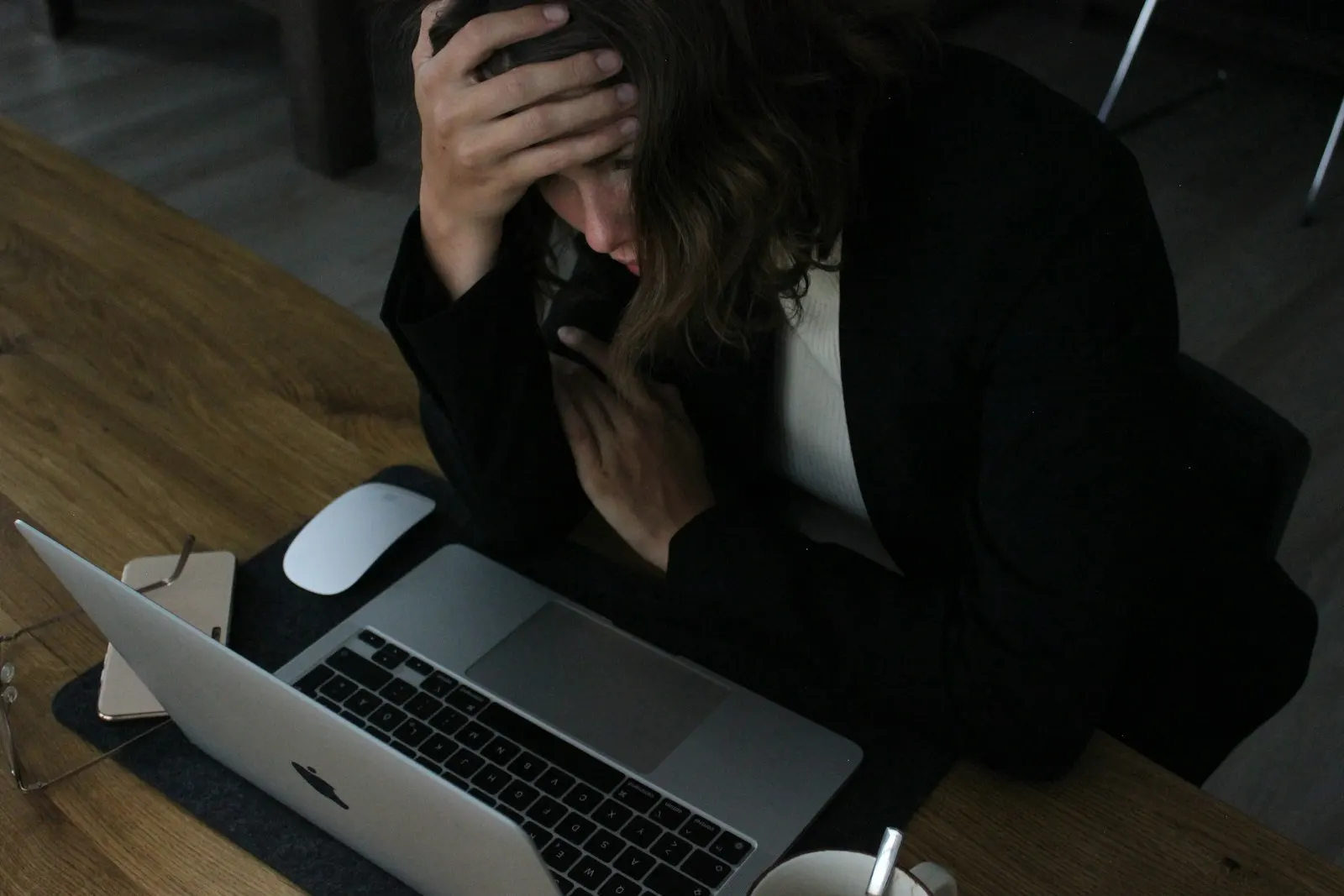
In difficult times (problems at work or at home, an illness, an emergency) some people find it harder to handle the strain. Often it shows on the skin: new conditions appear or existing ones get worse. If they are not controlled in time, they can spread and become harder to treat. These are the most common.
Neurodermatitis (chronic scratching)
It starts with itching and constant scratching, often without realizing it, in areas the hand can easily reach: the opposite arm, the neck, the back of the neck, the ankles, or the fingers and the cuticles around the nails. Over time the skin thickens, darkens and can even bleed. It becomes a cycle: itching leads to scratching, and scratching causes more itching.
Treatment: antihistamines, topical medicines prescribed by the dermatologist and good skin hydration. In some cases support from a psychologist helps break the scratching habit.
Seborrheic dermatitis ("dandruff")
It causes flaking, redness, burning and itching on the scalp, and can also affect the eyebrows, the sides of the nose, the cheeks and behind the ears. Stress makes it worse. If you scratch your scalp constantly, the skin gets damaged and can become infected.
Psoriasis
It is a chronic skin condition that gets worse with severe stress. Many patients know this: every time they scratch, new red plaques appear. It can affect everything from the scalp to the toenails. It needs topical or oral treatment and follow-up blood tests. Read the full article on psoriasis.
Hair loss
Stress plays a role in several types of hair loss:
- Alopecia areata: one or more round bald patches, which can also appear in the eyebrows or beard. It has several causes; stress can be a trigger.
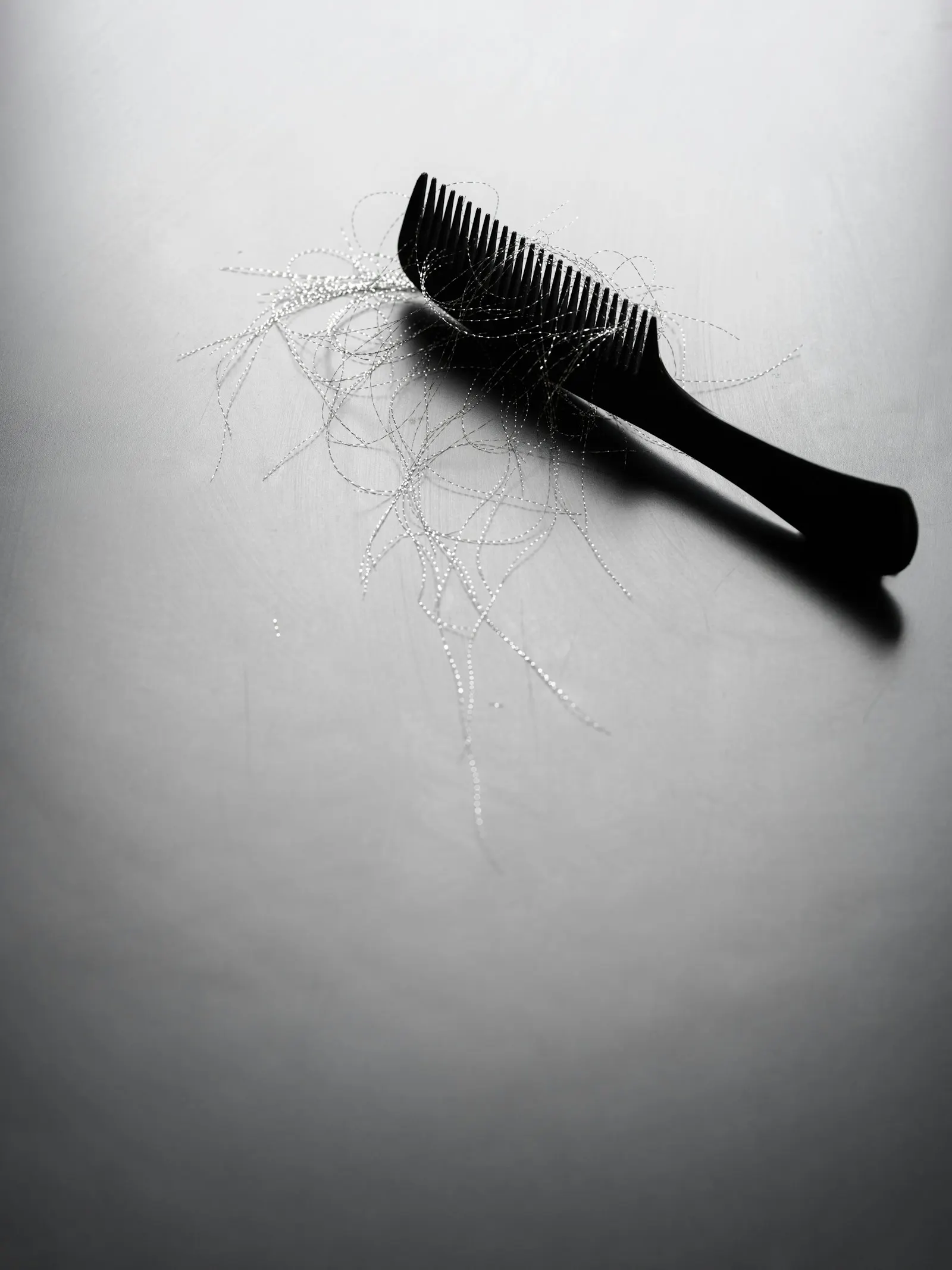
- Telogen effluvium: heavy, diffuse shedding that appears weeks or months after a physical or emotional shock. You notice it when you wash or comb your hair, and on your pillow.
- Trichotillomania: the urge to pull out your hair. It needs psychological support in addition to dermatological treatment.
In every case it is advisable to do blood tests to rule out other causes, such as thyroid problems or anemia. See the hair loss assessment.
Dry skin
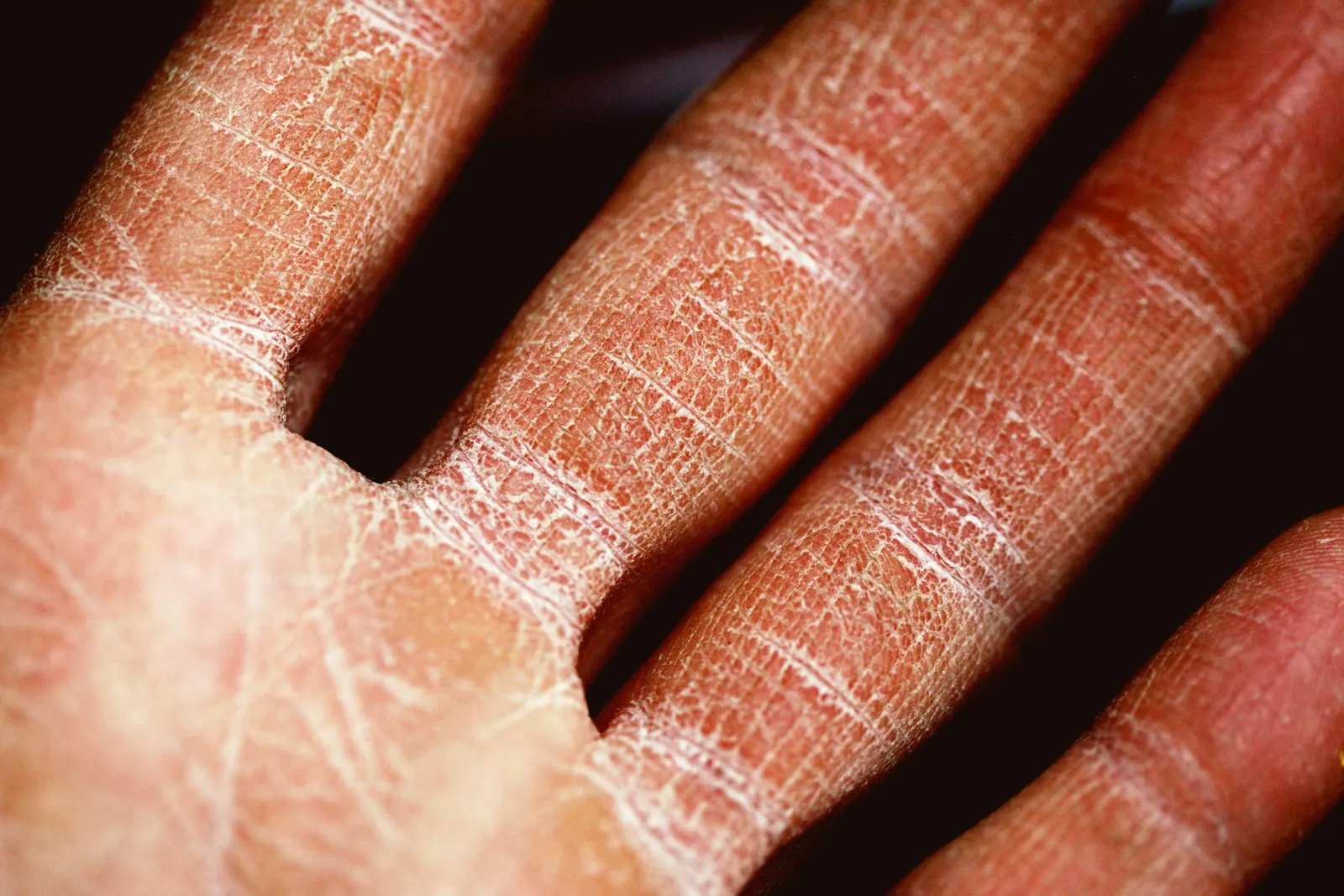
The skin looks tight, scaly, cracked or "broken". It is more common in older adults. It helps to apply moisturizer all over the body several times a day, especially after bathing, and to use mild soaps that do not dry the skin. If it does not improve, see a doctor: dryness can also be caused by internal illnesses.
My advice
All of these conditions can get worse with stress. See a doctor early so they do not spread, and also look for ways to care for your emotional health: rest, physical activity, support from your family and, if you need it, professional help. You are not alone: your skin can be treated and this time will pass too.
Frequently asked questions
Can stress cause skin conditions?
It can trigger them or make them worse, especially psoriasis, seborrheic dermatitis, atopic dermatitis, acne, hives and some types of hair loss.
Is hair loss from stress permanent?
Telogen effluvium usually improves within a few months once the cause is corrected. Other types of alopecia need treatment. An assessment is advisable.
When should I see a psychologist as well as the dermatologist?
When scratching or pulling out your hair is hard to control, or when stress or anxiety affects your daily life.
Is stress showing on your skin or hair? Book a consultation with Dr. Leana Quintanilla.
This article is for information only and does not replace a medical consultation.