
Hair transplants: how they work and who they are for
By Dr. Leana Quintanilla de Sánchez, dermatologist · Published · Updated
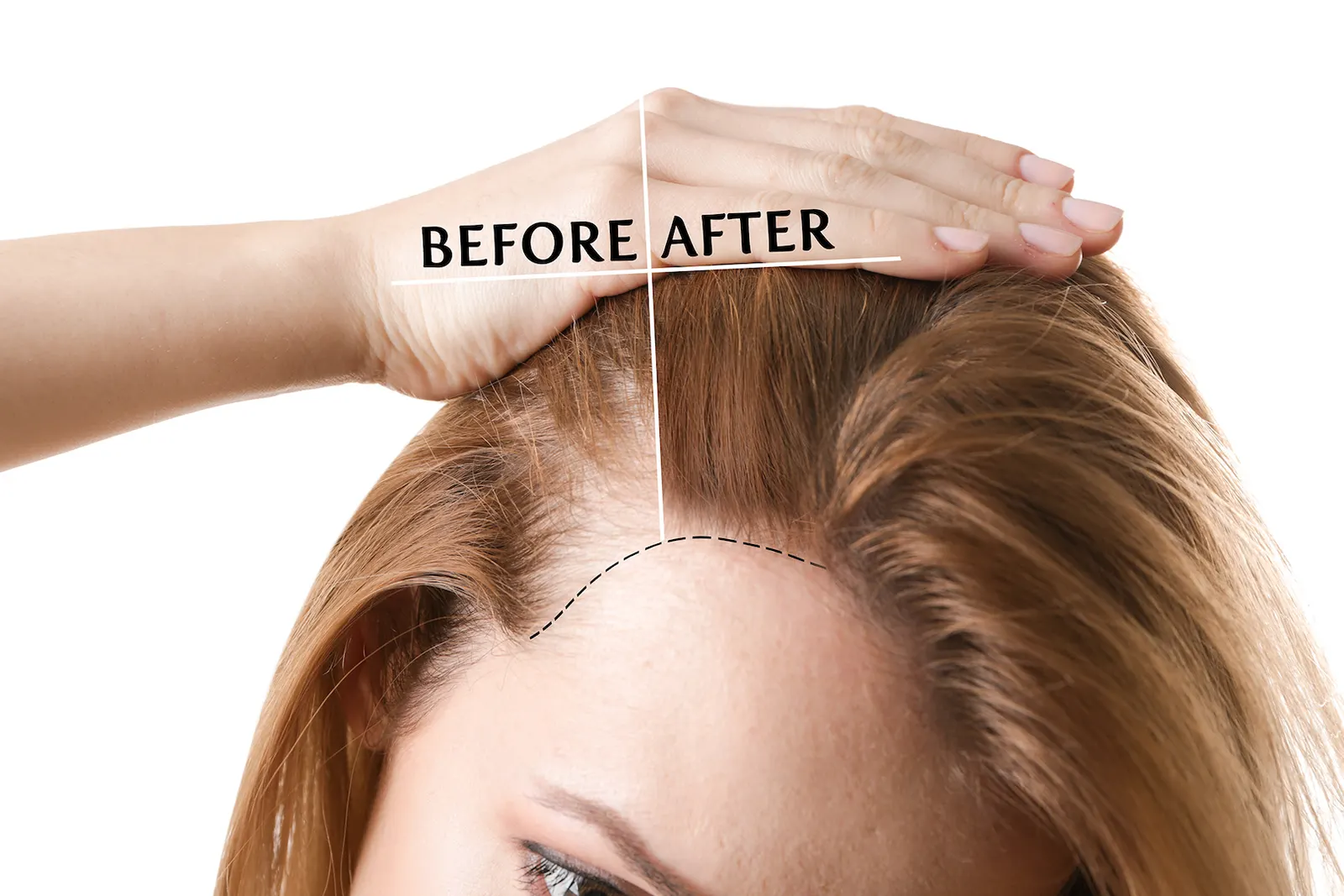
A hair transplant is a bit like planting: hair follicles are taken from the same person, from the back of the head, and placed one by one in areas where there is no longer any hair. It is a technique performed internationally that is also available in El Salvador. At our clinic we perform it with the FUT (strip harvesting) and FUE (follicular unit extraction) techniques.
Who is it for?
- People with androgenetic alopecia (hereditary baldness), once the hair loss is under control.
- People with bald areas caused by scars from previous surgery or burns on the scalp.
Beyond the aesthetic benefit, for many people regaining hair improves their self-esteem: baldness can take an emotional toll on those who experience it.
Why does transplanted hair stay?
The hair at the back of the head, called the donor area, usually lasts a lifetime because its follicles are resistant to the hormone that causes hereditary baldness. When it is moved, it keeps that characteristic. That is why transplanted hair tends to last as long as it would have in its original location.
What is the procedure like?
- It is an outpatient surgery: it does not require a hospital stay.
- It is done under local anesthesia.
- It is performed by a dermatologist trained in this technique, with a support team.
- It can take around six hours, depending on the session. Some sessions involve more than 2,000 hairs.
- The patient goes home the same day.
Recovery
If the instructions are followed to the letter — such as washing the hair as directed during the first few days and not smoking — most grafts take and discomfort is reduced. It is normal for the transplanted hair to fall out in the first few weeks; the follicle remains and the hair grows back from 3 or 4 months.
Prevention is better: see a doctor when hair loss starts
Hair loss is a very common reason for a consultation. Losing up to about 100 hairs a day can be normal; if you notice more shedding or that your hair is getting thinner, something is not right and you should see a doctor. For hereditary baldness there are medicines that act on dihydrotestosterone (DHT), the hormone linked to hair loss, and they must be prescribed by a doctor.
A transplant does not replace that treatment: ideally they are combined to protect the hair you still have.
In summary
There are treatment options for baldness. A hair transplant makes it possible to regain hair in areas where it was lost, using your own hair, through an outpatient surgical procedure. The first step is an assessment to find out whether you are a candidate.
Frequently asked questions
How long does a hair transplant take?
About six hours, depending on the amount of hair being transplanted.
Will I need time off work?
It does not require a hospital stay. The doctor will give you aftercare instructions and tell you when to return to your activities.
Can women have a hair transplant?
Yes, in selected cases and after investigating the cause of the hair loss.
Want to know if you are a candidate? Learn about hair transplants or the hair loss assessment.
This article is for information only and does not replace a medical consultation.